Vera Carter · 13 September 2026
The Hidden Logistics Behind Supply Chain Adaptations for Remote Winter Gatherings in Northern Territories
Remote winter gatherings in northern territories rely on intricate supply chain networks that adapt to extreme cold, limited daylight, and unpredictable ice conditions, with planning cycles often stretching across multiple seasons. Observers note that communities in places like Nunavut and the Northwest Territories coordinate deliveries of food, fuel, equipment, and medical supplies well in advance, using a combination of seasonal ice roads, air cargo, and local stockpiling to maintain continuity.
Seasonal Transport Routes and Their Constraints
Winter road networks open only during specific temperature windows when lakes and rivers freeze solid enough to support heavy loads, and data from Transport Canada shows these routes handle the majority of bulk goods movement into isolated settlements each year. Yet operators must monitor ice thickness daily because even brief thaws can force rerouting or delays, while shorter daylight hours in December through February compress loading and travel times. And when roads close prematurely, air transport steps in at significantly higher costs, shifting the entire logistics model for any gathering scheduled after mid-winter.
Stockpiling Strategies and Inventory Management
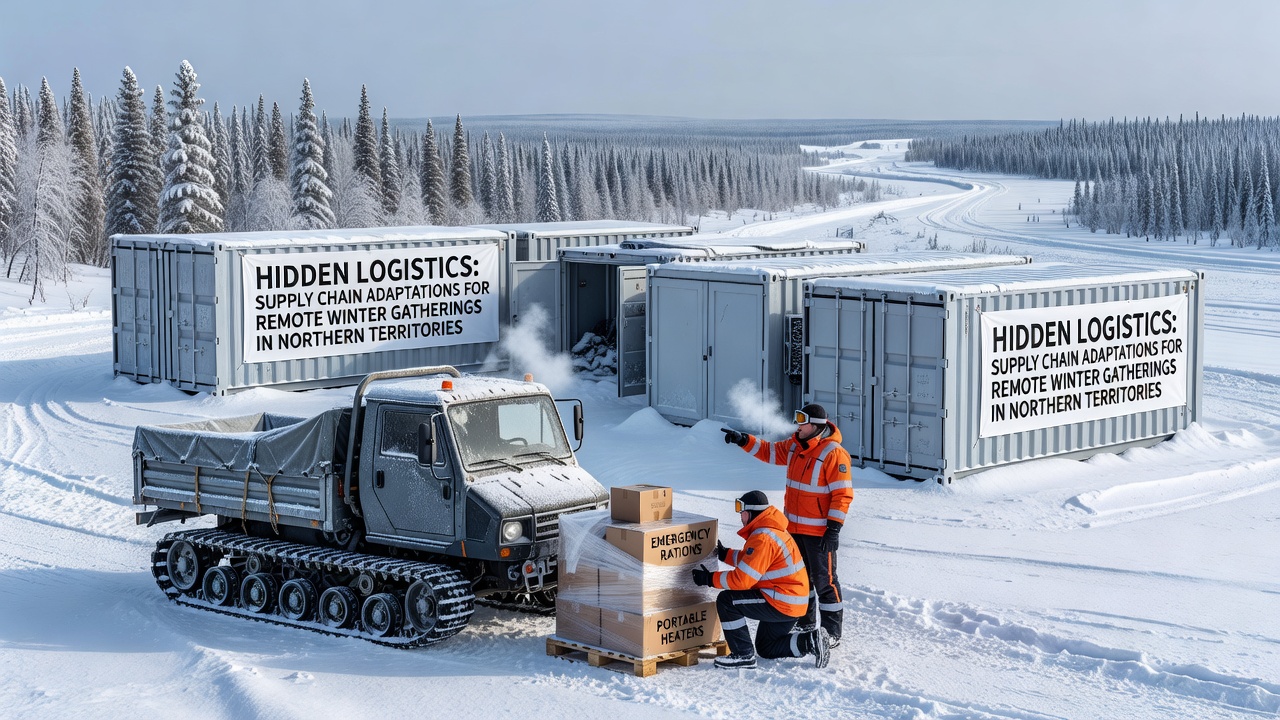
Communities and event organizers build buffer inventories starting in late summer, with September 2026 marking the typical kickoff for winter 2026-2027 preparations across many northern hubs. Warehouses in regional centers like Yellowknife or Iqaluit receive container shipments via barge before freeze-up, then distribute smaller loads by truck or snowmobile to final sites. Researchers from the University of Saskatchewan have documented how temperature-controlled storage units prevent spoilage of perishables, and these facilities often incorporate redundant power systems to counter frequent outages during storms.
Technology Integration in Harsh Conditions
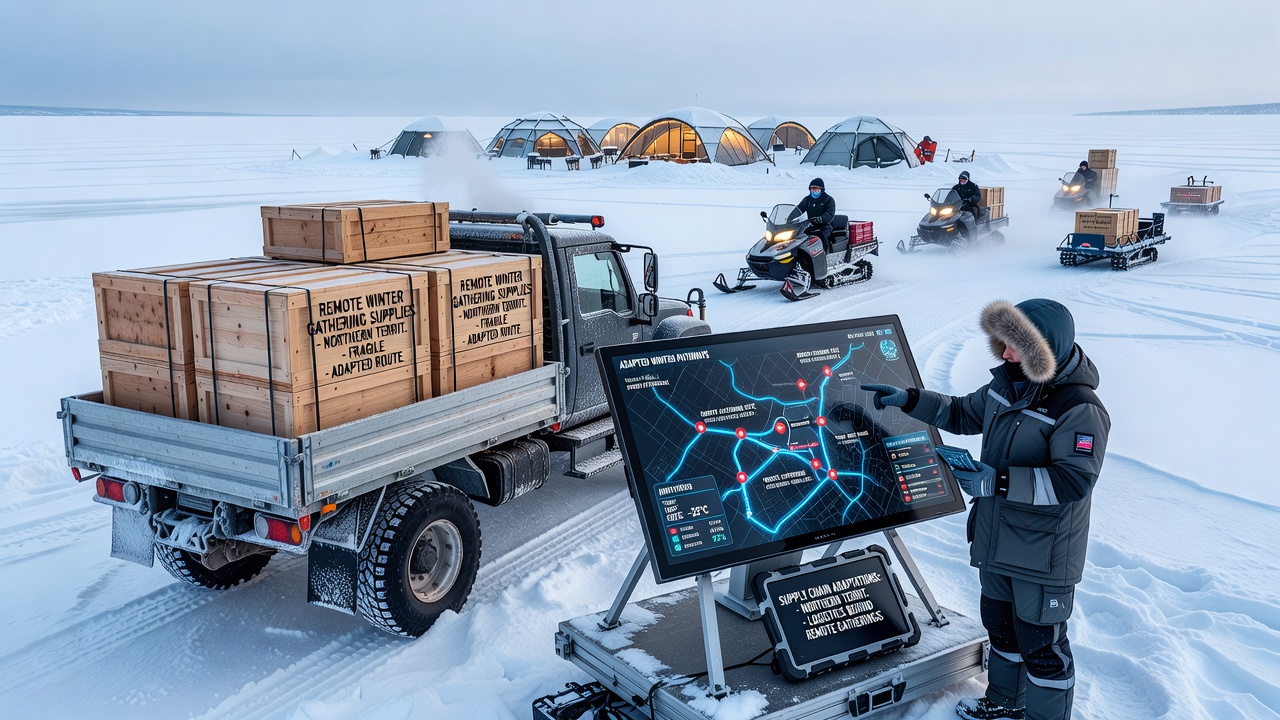
Real-time tracking systems using satellite links allow coordinators to adjust routes when weather models predict rapid changes, and several territories now test drone deliveries for lighter medical or emergency items that bypass blocked roads. GPS units hardened against extreme cold provide location data that feeds into centralized dashboards, giving planners visibility across dispersed sites. But here's the thing: battery performance drops sharply below minus 30 degrees Celsius, so teams carry spare power packs and schedule maintenance windows during the brief periods when temperatures moderate.
Local sourcing programs supplement imported goods whenever possible, drawing on regional fisheries, game harvests, and greenhouse operations that extend the growing season under artificial lights. These efforts reduce dependence on long-haul transport while supporting community economies, and government reports indicate rising participation in such initiatives over the past five years. Coordination between territorial authorities and federal agencies ensures that permits for cross-boundary movement align with environmental regulations that protect sensitive permafrost areas.
Workforce and Equipment Adaptations
Trained crews operate specialized vehicles equipped with wide tires and heated cabs, and safety protocols require frequent rest stops plus backup communication devices because cell coverage remains patchy in many areas. Equipment failures happen more often in sub-zero conditions, prompting organizations to maintain on-site repair kits and mechanics who understand cold-weather mechanics. One study revealed that pre-positioning spare parts at multiple points along routes cuts downtime by nearly half during peak gathering periods.
Conclusion
Supply chain adaptations for these remote winter events continue evolving through incremental improvements in forecasting, infrastructure, and local partnerships, with data indicating steady gains in reliability despite ongoing climate variability. Territorial governments publish annual updates that detail performance metrics and emerging challenges, while industry groups share best practices across borders. Observers note that success ultimately depends on flexible planning that accounts for both predictable seasonal patterns and sudden disruptions, ensuring gatherings proceed with minimal interruption to participants.