David Meier · 11 October 2026
Crafting Cultural Narratives: Artisan Contributions to Polar Celebration Exhibits
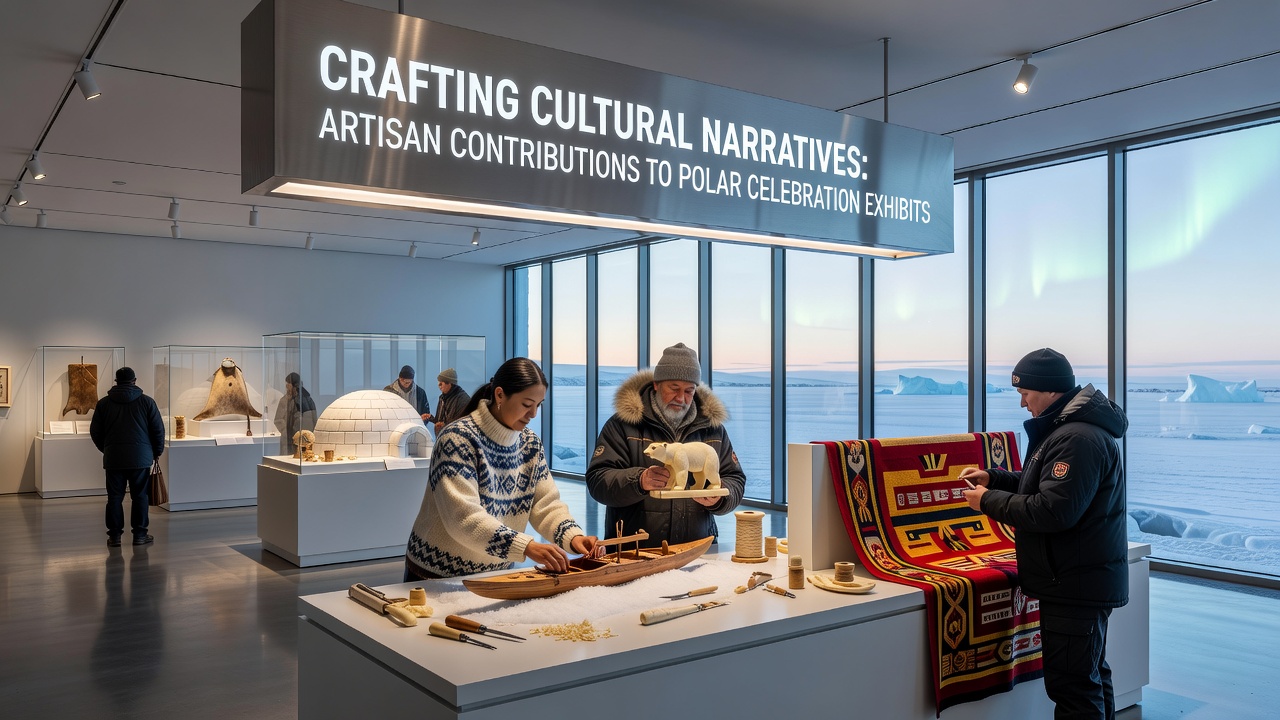
Polar celebration exhibits bring together artisans from Arctic regions to construct displays that convey traditional stories through handcrafted objects, textiles, and installations; these contributions shape how visitors encounter narratives tied to indigenous histories and seasonal observances across northern territories. Data from cultural documentation projects show artisans often work with materials such as driftwood, sealskin, and caribou antler to produce pieces that reference specific legends and environmental knowledge passed across generations.
Materials and Techniques in Exhibit Construction
Artisans select and prepare resources according to established practices documented in community records, where wood carving employs adzes and knives to form figures that illustrate hunting sequences while beadwork on garments incorporates patterns representing star maps used for navigation during winter months. Research compiled by northern heritage organizations indicates that many creators combine these methods with contemporary framing structures to ensure durability in climate-controlled exhibit spaces, and observers note the resulting pieces maintain visual continuity with historical examples preserved in regional museums.
Textile artisans contribute layered garments and wall hangings that feature embroidery sequences depicting migration routes, and studies from academic institutions in Canada reveal these elements frequently include symbolic references to weather patterns observed over decades. Metalworkers add engraved panels that detail oral histories, and the integration of such components allows exhibits to present interconnected accounts rather than isolated artifacts.
Regional Examples and Collaboration Patterns
Exhibits in Alaska and Nunavut regularly feature collaborative installations where multiple artisans contribute segments of larger narrative panels, and records from event organizers show these partnerships often follow protocols established through community consultations conducted years in advance. One documented case involved carvers from Greenland supplying whalebone elements that complemented soapstone sculptures from Labrador, forming a unified display on marine resource traditions that traveled to several venues during the 2024-2025 exhibition cycle.
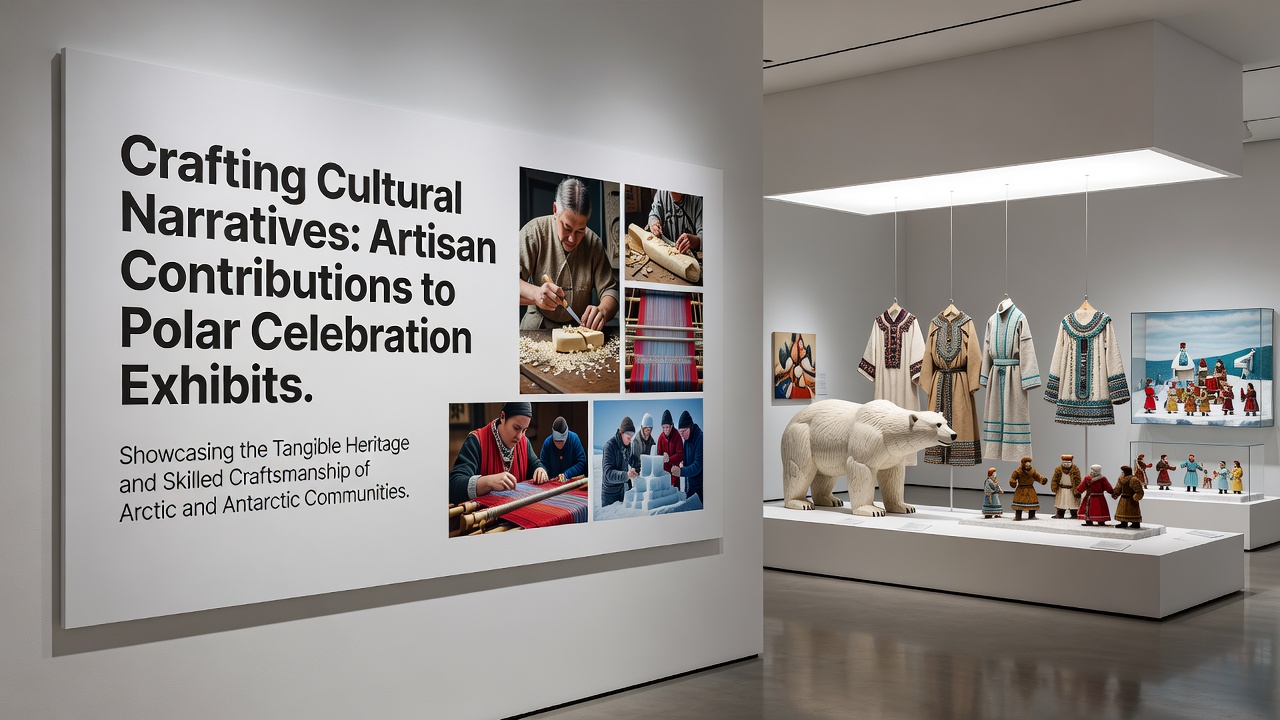
Similar arrangements appear in Scandinavian Arctic venues, where Sámi artisans supply woven bands and antler jewelry that anchor sections on seasonal festivals, and data collected by cultural ministries indicate participation rates have remained steady as organizers coordinate material transport through established northern supply routes. These efforts align with broader documentation initiatives that track artisan involvement across multiple event cycles.
Upcoming Developments for October 2026
Planning documents for polar celebration exhibits scheduled around October 2026 list expanded roles for artisans in digital integration components, where traditional carvings receive supplementary projection mapping that highlights story cycles tied to specific constellations. Figures released by participating cultural agencies reveal funding allocations directed toward workshops that train younger practitioners in both ancestral methods and exhibit installation techniques, ensuring continuity in narrative delivery across physical and projected formats.
Coordination meetings scheduled for early 2026 include representatives from multiple northern communities who review proposed layouts to confirm accurate representation of local accounts, and preliminary inventories list over 200 individual artisan submissions under consideration for the main circuit. Such preparations build on prior seasons where exhibit feedback surveys recorded high engagement with artisan-led sections.
Documentation and Preservation Efforts
Archival programs associated with these exhibits maintain detailed records of each artisan contribution, including material sourcing logs and design sketches that accompany finished pieces into permanent collections. According to information published by the Canadian Heritage department, these records support educational modules used in northern schools and help track variations in technique across different language groups. Institutions in Norway have developed parallel databases that catalog similar contributions from Sámi workshops, creating cross-regional reference points for researchers examining narrative continuity.
Exhibition catalogs produced after each season compile photographs and artist statements that describe the intent behind specific motifs, and these publications circulate through library networks serving remote settlements. Observers note that such documentation preserves context that might otherwise remain tied to oral transmission alone.
Conclusion
Artisan participation in polar celebration exhibits continues to supply the tangible elements through which cultural narratives reach wider audiences, and ongoing coordination across regions supports consistent standards for material handling and story accuracy. Records from multiple agencies show sustained involvement that extends into the 2026 planning horizon, with contributions focused on both established techniques and adaptations for new display formats. These patterns reflect established practices that link individual craftsmanship to collective representations of northern heritage.