Parker Butler · 27 September 2026
Community Resilience Strategies During Isolated Northern Festival Seasons
Isolated northern festival seasons bring together remote settlements across Arctic and sub-Arctic regions for cultural celebrations that often coincide with the darkest months of the year, and communities have developed structured approaches to maintain continuity when weather, distance, and limited infrastructure create barriers to external support. These strategies draw on long-standing local knowledge combined with modern coordination methods that researchers have documented in multiple territories.
Core Elements of Local Preparedness
Northern settlements begin formal planning cycles well in advance of peak festival periods, and data collected by territorial governments shows that communities maintaining written resource inventories experience fewer disruptions when storms isolate roads and airstrips for extended periods. Local councils typically designate rotating teams responsible for checking fuel reserves, medical supplies, and communication equipment several weeks before events begin, while volunteers map alternate snowmobile routes that remain passable when primary highways close.
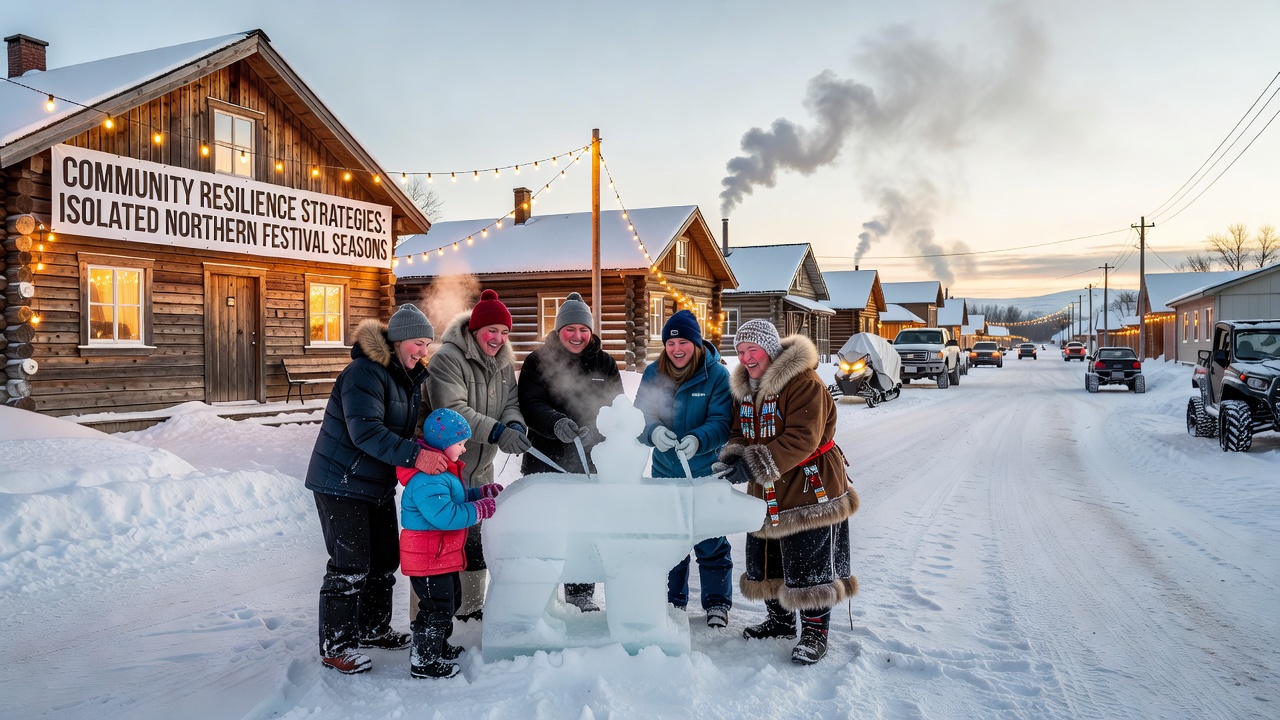
Cultural practices form another layer of resilience because elders transmit oral histories that include techniques for conserving food and maintaining morale during prolonged isolation, and studies conducted by circumpolar research networks indicate these traditions correlate with measurable reductions in reported stress levels during festival weeks. In practice, communities integrate storytelling sessions and shared meals into daily schedules so that participants remain connected even when external entertainment options become unavailable.
Communication Networks and Technology Adaptations
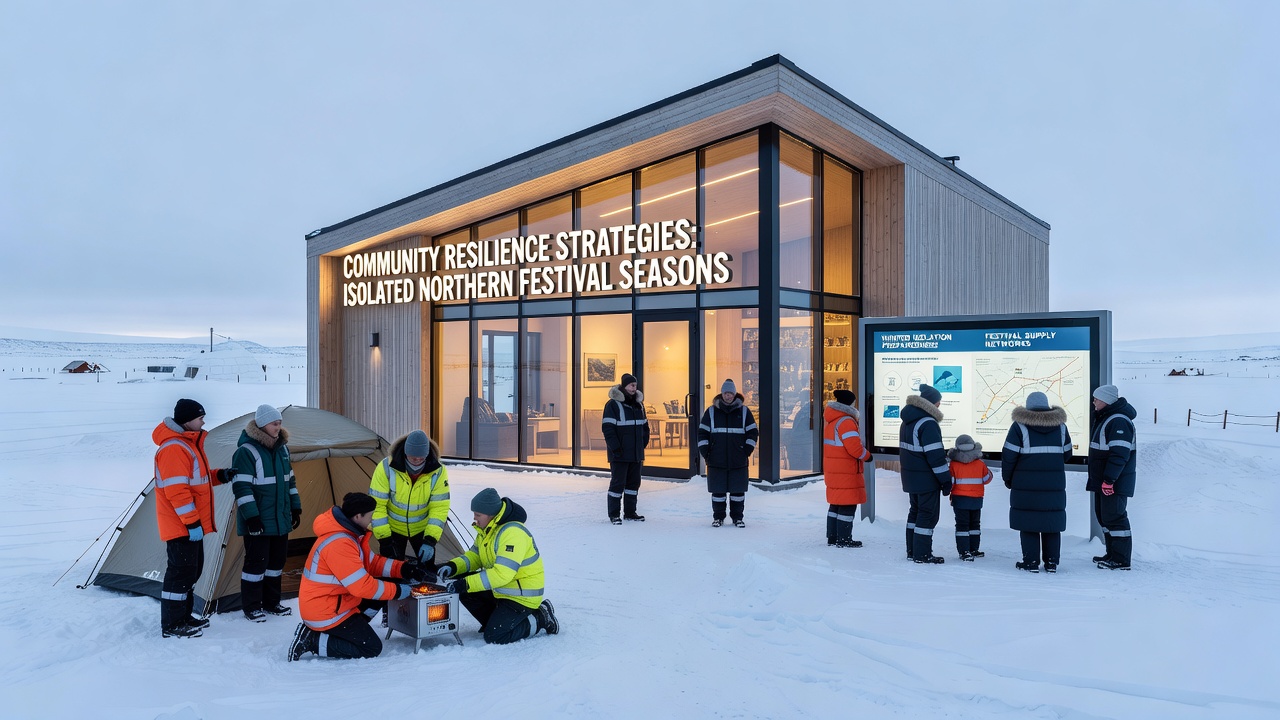
Radio networks supplemented by satellite links serve as primary channels when cellular service drops, and operators in places such as Nunavut and the Northwest Territories schedule daily check-ins that allow neighboring settlements to share updates on weather and supply status. During September 2026 planning meetings, several regional associations reported expanding mesh-network pilot programs that enable short-range data exchange among handheld devices without relying on distant towers.
Communities also train residents in basic equipment repair so that a single technician shortage does not halt festival operations, and records from past seasons reveal that settlements investing in cross-training programs restored power and heating systems faster than those depending on outside specialists. These efforts receive support from national agencies that supply spare parts caches positioned at strategic points along seasonal travel corridors.
Resource Sharing and Mutual Aid Systems
Mutual aid agreements between settlements allow surplus food, fuel, and medical items to move across community boundaries when one location faces shortages, and government statistics from northern Canada document hundreds of documented transfers during recent winter festival periods. Coordinators track these exchanges through simple ledger systems that remain functional even during power outages, while informal barter arrangements supplement formal channels when official transport is grounded.
Health services incorporate similar cooperation, with community health representatives maintaining updated lists of trained first responders who can travel between sites via snowmobile or snowshoe. Research compiled by the Arctic Council highlights how these networks reduce evacuation needs by enabling on-site treatment for common winter injuries and illnesses that arise during large gatherings.
Cultural and Social Continuity Measures
Festival organizers prioritize activities that require minimal imported materials, and observers have noted increased use of local crafts, traditional games, and storytelling circles that draw on existing community skills rather than external vendors. This approach preserves event schedules when delivery delays occur, and participation data shows sustained attendance numbers across multiple seasons even when commercial suppliers face weather-related cancellations.
Mental health support integrates into daily festival programming through designated quiet spaces and peer-listening sessions, and reports from regional health authorities indicate these measures help maintain overall well-being when daylight remains limited for weeks at a time. Schools and youth groups often lead preparatory workshops that teach younger residents how to contribute to collective resilience efforts.
Conclusion
Isolated northern festival seasons continue to rely on layered strategies that combine traditional knowledge, modern technology, and formal agreements among settlements, and available records demonstrate that communities applying these methods sustain both cultural events and essential services when external conditions create isolation. Ongoing documentation by territorial agencies and circumpolar organizations provides updated guidance that new coordinators can adapt to changing environmental patterns while preserving core community functions.